Seu carrinho (0)

Your cart is empty
Tax included and shipping calculated at checkout

Menu lateral
Tax included and shipping calculated at checkout

A skincare routine only works smoothly when the order makes sense. Put a thick cream before a watery serum, and the lighter product often sits on top instead of sinking in. Mix the wrong active ingredients too quickly, and skin can end up red, tight, or flaky. The good news is that a routine does not need to be complicated to be effective. A simple cleanse, hydrate, and protect approach can be enough, while more advanced skincare products can be added later if they suit the skin type and the time of day.

Layering changes how well each product performs. Lightweight formulas usually contain more water and active ingredients, so they should go on first. Richer creams and oils sit higher on the skin and can help seal everything in, but they can also block absorption if applied too early. That is why the lightest-to-heaviest rule is such a reliable starting point. There are exceptions, though: spot treatments, some exfoliators, and sunscreen have specific jobs that override texture. The main goal is not following a rigid ritual, but making sure each step has the best chance to do its work without causing unnecessary irritation.
The simplest routine starts with three essentials. A cleanser removes oil, sweat, makeup, and daily grime so the skin is ready for the next step. A moisturiser helps reduce water loss and supports the barrier, which matters for dry skin, oily skin, and sensitive skin alike. Sunscreen finishes the daytime routine by protecting against UV damage and helping prevent premature ageing. For beginners, that trio is often enough to keep skin comfortable and stable. If the routine is already working, there is no need to add every trending serum or treatment. The best skincare routine is the one that is easy to repeat morning and night.
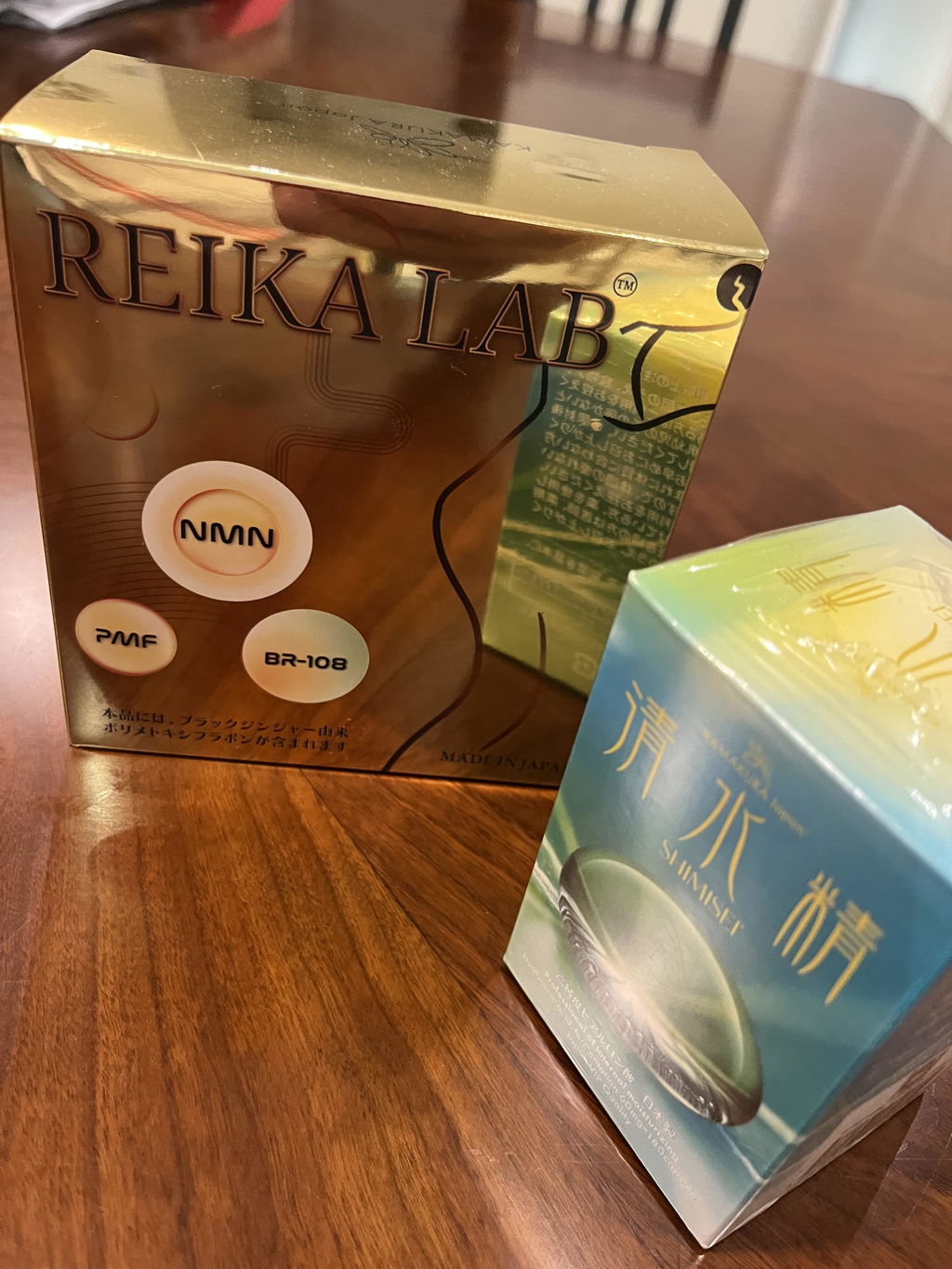
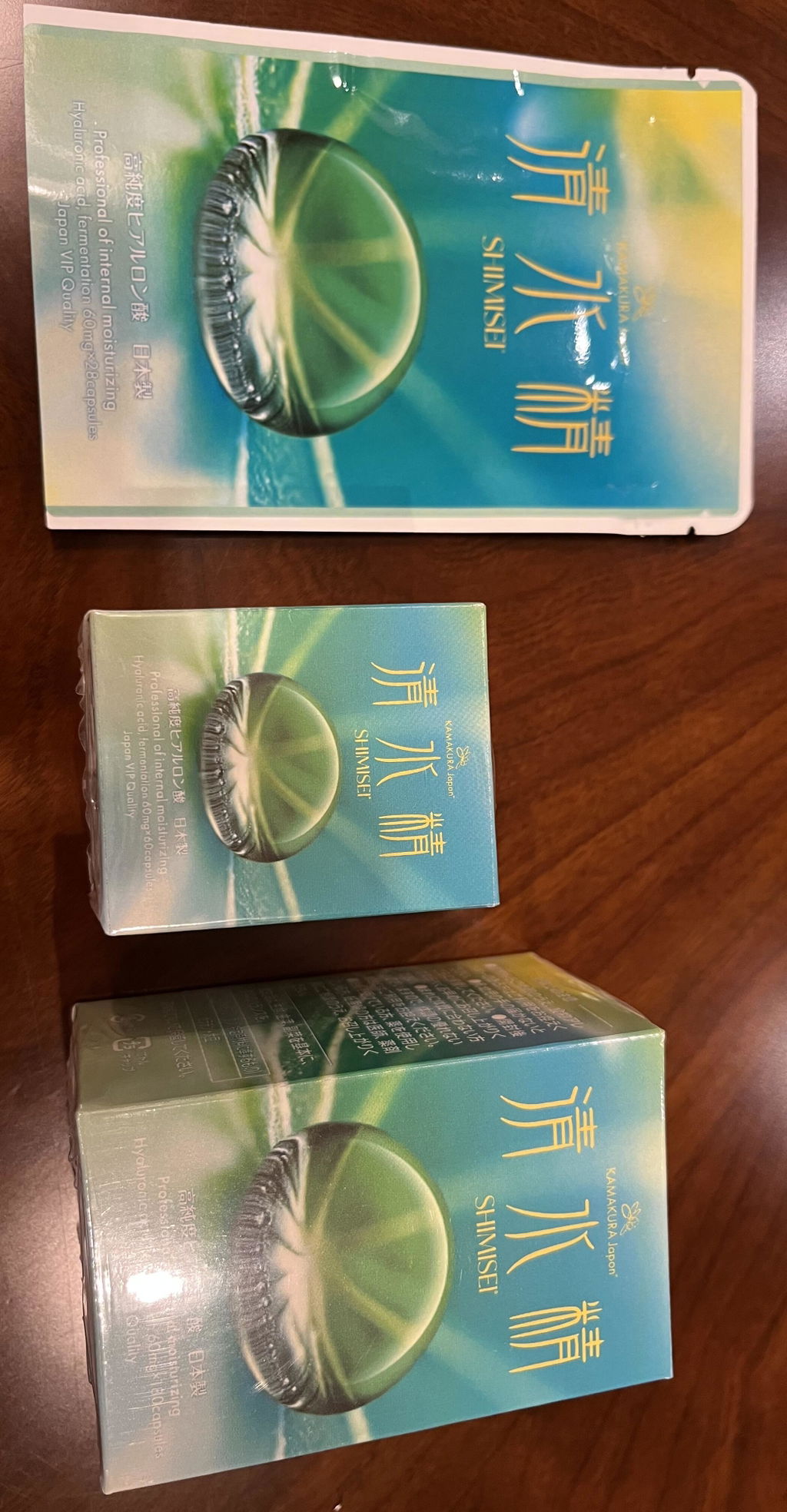
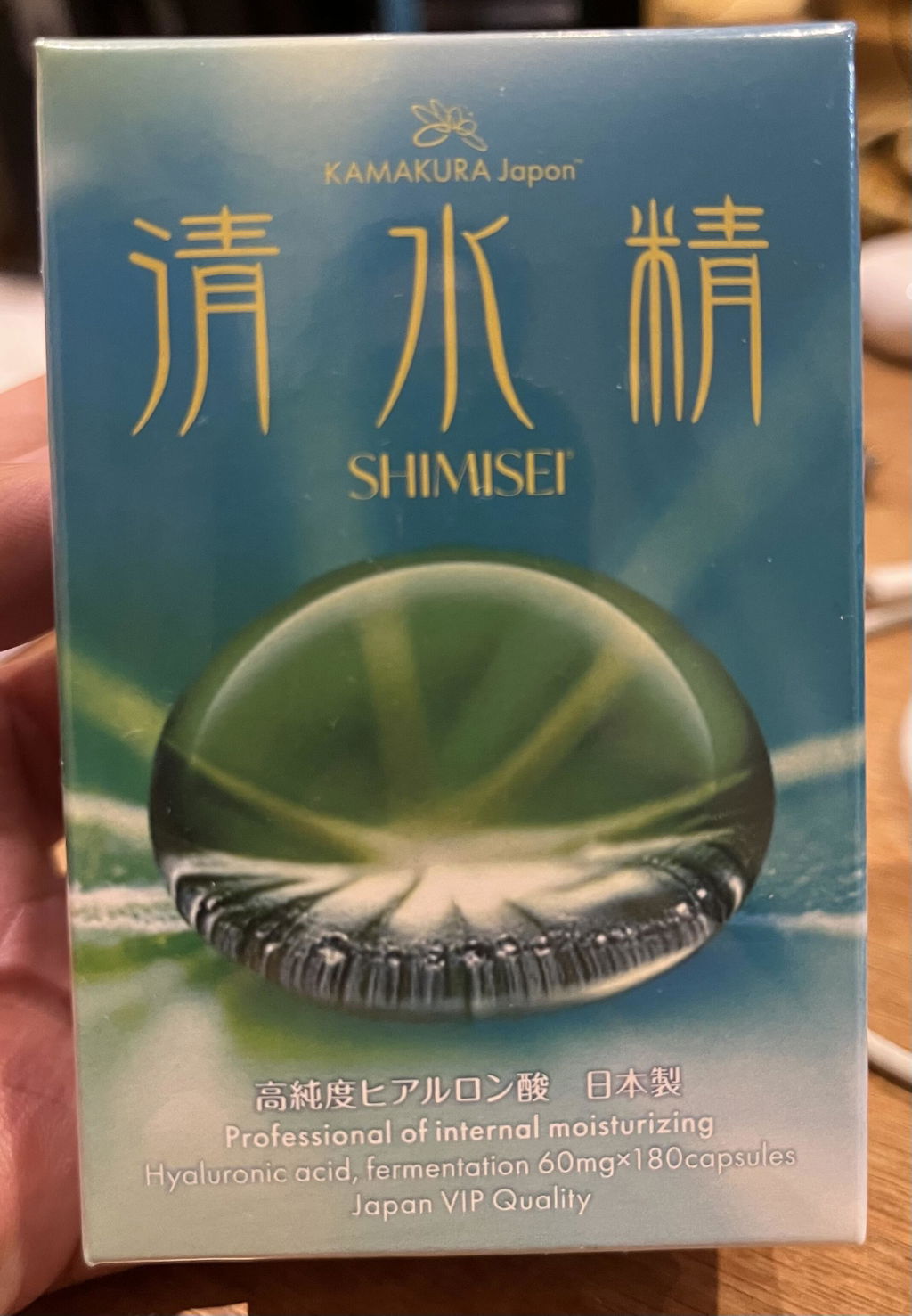
Think of skincare products in terms of texture. Start with the thinnest formulas, such as toners and serums, then move to moisturiser, then apply sunscreen in the morning. A watery essence or oral hyaluronic acid supplement should generally go on before a richer cream, because a heavy layer can stop lighter formulas from settling properly. The same logic applies to oils: they usually come late in the routine because they seal in what has already been applied. If a product feels very active or targeted, like salicylic acid or retinol, check whether it belongs before or after moisturiser based on the instructions. Texture is the easiest way to avoid layering mistakes.
Morning and night routines share the same backbone, but their jobs are different. In the morning, the focus is protection: cleanser, hydrating steps, moisturiser, then sunscreen. At night, the focus shifts to repair and renewal, which is why retinol and stronger treatment products usually belong after cleansing and before a final moisturiser. Sunscreen never belongs at night, and retinol is usually best kept out of the morning routine because it can increase sun sensitivity. Oily skin often does better with lighter textures in both routines, while dry skin may need more cushioning creams. Sensitive skin usually benefits from fewer steps and less frequent use of actives.
| Time of day | Main goal | Typical focus |
|---|---|---|
| Morning | Protection | Hydration, SPF, lightweight layers |
| Night | Repair | Active ingredients, richer moisturiser |
Cleansing is the reset button, but overdoing it can strip the skin and leave it tight. Most people cleanse once at night, while some prefer a gentle cleanse in the morning as well, especially if they wake up oily or wear heavier skincare overnight. Gel and foaming cleansers can suit oily skin, while cream cleansers are usually kinder to dry skin and sensitive skin. If makeup or sunscreen is worn, double cleansing at night can help remove residue without scrubbing. The aim is to clean, not to leave the face squeaky or uncomfortable.

Toner is optional, and modern formulas are often more about hydration or oil control than the old astringent feel. If skin feels balanced without it, skipping toner is perfectly fine. Exfoliation is a separate choice and should be used only when clogged pores, rough texture, or dullness need attention. Chemical exfoliators such as salicylic acid can help, especially for oily skin, but they should not be used too often. Sensitive skin usually does better with fewer acid-based steps and more recovery time between treatments.
Serums are concentrated treatments, so they are where many skincare routines become more personalised. Vitamin C is a common daytime choice for brightening and antioxidant support, niacinamide can help with oil control and barrier support, and hyaluronic acid is valued for hydrating and plumping the skin. A serum should be chosen for a specific concern rather than added just because it exists. Multiple serums can be layered, but the skin barrier has limits. A practical approach is to use one main serum in the morning and one at night, or to pair ingredients only when they are known to work well together. Less can be more if irritation is a risk.
Eye cream is optional, not a must-have. It can be useful for dryness, puffiness, or when the under-eye area needs a little extra comfort. Applied after serums and before moisturiser, it fits into the routine without taking over the whole process. If a regular moisturiser already works well around the eyes, there may be no reason to add a separate product. The practical test is simple: does it solve a real issue, or does it just make the routine longer?
Spot treatments are for specific problems, such as an active blemish or a stubborn dark mark. They should be applied after cleansing and before moisturiser so the treatment can reach the skin effectively. Acne formulas can be drying, so they are best used with care, especially if other active ingredients are already in the routine. If skin is sensitive, it can help to start with a small amount and avoid stacking too many treatment products on the same area. Targeted does not need to mean aggressive.
Moisturiser helps seal in hydration and supports the skin barrier, which is useful even for oily skin. Lightweight gels or fluid moisturisers suit skin that gets shiny easily, while richer creams are better when dryness or flaking is a concern. In the morning, a moisturiser with SPF may be enough for some people, especially if they prefer a simpler skincare routine, but it should still be checked for adequate sun protection. At night, moisturiser often plays a bigger role in recovery and comfort. The right texture usually feels comfortable within minutes, not greasy or tight.

Retinol is a nighttime active ingredient known for helping with texture, breakouts, and the look of fine lines over time. It can be effective, but it is also one of the easiest steps to overdo. Starting slowly, perhaps two nights a week, gives the skin time to adjust and lowers the risk of peeling or excessive dryness. Sensitive skin may need an even gentler pace, and retinol should be used carefully alongside other strong actives such as salicylic acid or high-strength exfoliants. If a routine already includes multiple active ingredients, it is usually smarter to rotate them rather than pile them on together. That approach keeps the skin calmer and the results more sustainable.
Sunscreen is the final daytime step, and it should be broad-spectrum SPF 30 or higher for everyday use. It belongs after moisturiser because it needs to form the top protective layer. Moisturiser with SPF can be helpful, especially for a minimal routine, but it does not always provide enough coverage unless enough product is applied. Mineral, chemical, and lightweight hybrid formulas all have a place, depending on skin type and personal feel. Oily skin may prefer a matte or oil-free finish, while dry skin may like a more hydrating texture. The best sunscreen is the one that gets worn properly and consistently.
Dry skin usually needs more cushioning and fewer stripping steps. Cream cleansers, richer moisturiser textures, and hydrating ingredients like hyaluronic acid can help reduce tightness. Exfoliation should stay occasional rather than frequent, and barrier-supporting products are usually a better bet than strong treatment-heavy routines. If the skin feels stingy after washing, that is a sign the routine is probably too harsh.
Oily skin often does best with lightweight, oil-free products that hydrate without feeling greasy. Gel moisturisers can work well, and salicylic acid may help with congestion or visible pores. The trick is not to strip the skin in an attempt to control shine, because that can make oiliness worse. A balanced routine usually beats an aggressive one.
Sensitive skin benefits from fewer products, gentler formulas, and a slower introduction of new steps. Fragrance-free skincare products are often the safer starting point, and strong active ingredients should be added one at a time. A simple skincare routine can be more effective than a complicated one if it keeps redness and stinging under control.
Most routine problems come from over-layering or mixing too many active ingredients at once. Putting a thick cream before a serum can reduce absorption, while stacking exfoliants, retinol, and acne treatments together can trigger irritation fast. Another common mistake is assuming more steps automatically mean better skin; in practice, the skin often prefers consistency over complexity. The routine should feel manageable, not like a full-time job. If a product causes persistent dryness, burning, or breakouts, it is usually worth stepping back and simplifying.

The easiest routine to maintain is the one that starts small and grows only when necessary. Begin with cleanser, moisturiser, and sunscreen, then add one targeted product at a time if skin needs it. That makes it easier to see what helps and what causes problems. Consistency matters far more than chasing a perfect 10-step order, and the routine can change with seasons, skin type, or sensitivity. For readers comparing skincare products and even broader wellness choices, the same principle applies: steady use beats complicated plans. If the skin feels comfortable and looks balanced, the routine is working.