A consistent daily wellness routine is one of the most powerful investments you can make in your long-term self-care. Here’s how to build one that is simple, sustainable, and inspired by Japanese wellness traditions.
A good face moisturiser does far more than soften skin for a few hours. The right formula helps support the skin barrier, reduce moisture loss, and keep daily skin comfort steady through changing weather, cleansing, and actives. This roundup focuses on the best face moisturizer options for real-life use: tested textures, skin-type matching, and choices that make sense across different budgets. You’ll find creams, gels, lightweight lotions, and richer formulas, plus practical guidance on what suits dry, oily, sensitive, acne-prone, and combination skin best.
Best Face Moisturizer: Expert-Tested Picks for 2026
The strongest moisturisers tend to do a few things well at once: hydrate quickly, sit comfortably on skin, and avoid making a routine feel fussy. In testing, the standouts were the formulas that worked not just on paper, but on a normal morning before sunscreen or on a tired night after cleansing. Some felt fresh and weightless, others gave a cushiony finish that helped dry skin feel calm again. The best face moisturizer for one person may be far too rich, too matte, or too shiny for another, so this guide keeps skin type and daily wear front and centre. It also includes value-driven picks for readers who want dependable hydration without paying luxury prices.
How We Chose the Best Face Moisturizer
Selection started with the basics that matter most in everyday use: texture, absorption, finish, and how well each formula actually held hydration over several hours. A moisturiser can look impressive in the jar and still feel tacky, pill under sunscreen, or disappear too fast on dry skin, so those real-world details counted heavily. Ingredient quality also mattered, especially for barrier support, irritation risk, and whether a formula felt suitable for frequent use rather than only occasional rescue. Fragrance, heavy essential oils, and overly busy formulas were viewed more cautiously for reactive skin. To keep the rankings useful, different skin types and routines were represented, including simple AM basics, richer PM creams, and lightweight options for humid weather or makeup days. The goal was practical credibility, not lab-report overload.
What Makes a Great Face Moisturizer?
At its core, a good moisturiser does three jobs: it draws water into the skin, helps keep that water there, and supports the barrier so skin stays resilient. That sounds simple, but texture changes the whole experience. Gels feel light and fast, lotions tend to strike a middle ground, creams bring more cushioning, and balms seal heavily to reduce moisture loss. A daytime favourite usually finishes cleanly, so sunscreen and makeup can sit well on top without slipping or pilling. Richer formulas shine when skin is dry, compromised, or exposed to cold air, but they can feel unnecessary on oilier skin or in muggy weather. The best face moisturizer is not always the thickest one; it is the one that matches the skin’s needs and the person’s routine without creating extra friction.
Texture
Best for
Typical finish
Gel
Oily, combination, humid climates
Fresh, lightweight
Lotion
Normal to combination skin
Balanced, everyday
Cream
Dry or mature skin
Cushiony, comfortable
Balm
Very dry or barrier-damaged skin
Rich, sealing
How to Choose the Best Face Moisturizer for Your Skin Type
Skin type is the fastest way to narrow the field. Dry skin usually needs richer emollients and occlusives; oily skin usually prefers lighter, fast-absorbing formulas that add water without a greasy film. Combination skin often sits in the middle, needing hydration that does not overload the T-zone. Sensitive skin benefits from simple, fragrance-free formulas with barrier support, while acne-prone skin tends to do better with non-comedogenic textures that do not feel heavy or pore-clogging. Age, climate, and routine change the answer too. A person using retinoids in winter will often want more cushioning than someone in a humid Australian summer. If the shelf looks overwhelming, start by matching texture to skin type, then adjust for finish, ingredient preferences, and how the moisturiser behaves under sunscreen or makeup.
Best Face Moisturizer by Skin Type
The quickest route to the right product is to shop by skin type first, then refine from there. That approach cuts through a lot of marketing noise because the best face moisturizer for dry skin will rarely be the same one that keeps oily skin comfortable all day. Below are clear picks by skin type, with short notes on why each works and who may want to skip it.
Best face moisturizer for dry skin
Dry skin usually responds best to richer creams with barrier-supporting ingredients such as ceramides, glycerin, squalane, and hyaluronic acid. These formulas help relieve tightness and flaking, especially after cleansing or during cold weather. A thicker cream can be ideal at night, but a good one still absorbs well enough for daytime comfort. If skin feels rough, looks dull, or drinks up lotion too quickly, choose a cream with a more substantial finish. Skip ultra-light gels if they leave the face feeling stripped again an hour later.
Best face moisturizer for oily skin
Oily skin generally does better with lightweight, non-greasy formulas that hydrate without adding shine. Oil-free textures or fast-absorbing gel creams often feel easiest to wear, especially in warm weather or under sunscreen. A soft matte finish can help with midday gloss, while still keeping dehydration from triggering more oil production. The best choices here usually feel almost invisible once set. Skip heavy balms unless the skin is both oily and genuinely dry from treatment use.
Best face moisturizer for combination skin
Combination skin needs balance more than intensity. Gel-creams and adaptable lotions usually work well because they hydrate dry patches without making the T-zone feel slick. Look for formulas that layer cleanly under sunscreen and makeup, with a finish that stays smooth rather than sticky. If one area of the face gets oily and another feels tight, the right moisturiser should do both jobs without forcing a compromise. Skip very rich creams unless dryness is concentrated and seasonal.
Best face moisturizer for sensitive skin
Sensitive skin benefits from short ingredient lists, fragrance-free formulas, and a calm, low-drama texture. Barrier support matters here because reactive skin often struggles with dryness and stinging at the same time. Ceramides, panthenol, and gentle humectants are usually welcome, while botanicals and actives deserve more caution. If a formula includes acids, retinoids, or lots of plant extracts, patch testing is smart before full-face use. Skip heavily scented creams if redness or burning is a regular issue.
Best face moisturizer for acne-prone skin
Acne-prone skin still needs moisture, especially when acne treatments create dryness or flaking. Non-comedogenic formulas that feel light but soothing are the safest starting point. Ingredients such as niacinamide, glycerin, and calming emollients can help support balance without feeling heavy. A matte or semi-matte finish can improve wearability for those who dislike shine. If breakouts flare easily, avoid overly rich textures that sit on the surface too long.
Skin type
Best texture
What to prioritise
Dry
Cream or balm
Ceramides, glycerin, squalane
Oily
Gel or gel-cream
Lightweight, non-greasy, matte finish
Combination
Lotion or gel-cream
Balanced hydration, easy layering
Sensitive
Simple cream
Fragrance-free, barrier support
Acne-prone
Light lotion or gel
Non-comedogenic, soothing ingredients
Best Face Moisturizer by Concern and Need
Skin type is only part of the story. Some shoppers already know the main goal: soften mature skin, repair a stressed barrier, add SPF, boost brightness, or create a smooth base for makeup. Those priorities matter because they change which formula feels truly useful rather than merely pleasant. The best face moisturizer for a specific concern should solve that concern without adding a new one, like shine, pilling, or irritation.
Best face moisturizer for mature skin
Mature skin often benefits from richer textures and ingredients that support plumping and moisture retention, such as peptides, ceramides, glycerin, and hyaluronic acid. Comfort matters because skin tends to feel drier and less forgiving over time. Creamier formulas usually work well at night, while a slightly lighter version may suit daytime under sunscreen. The best option here should leave skin looking smoother and feeling more cushioned, not greasy.
Best face moisturizer for skin barrier support
Barrier-focused moisturisers are worth prioritising after over-exfoliation, retinoid dryness, or a spell of harsh weather. They often contain lipids and barrier helpers that reduce moisture loss and help skin feel less reactive. Ceramides, cholesterol, fatty acids, and panthenol are common examples. This category is the one to reach for when skin feels tight, stingy, or generally overworked. It is especially useful after strong actives or in seasonal stress periods.
Best face moisturizer with SPF
A moisturiser with SPF can simplify morning routines by combining hydration and daily sun protection. That convenience is real, especially for people who prefer fewer steps. Still, finish matters because some formulas leave a white cast, tackiness, or a texture that does not layer well under makeup. The upside is speed; the trade-off is that a dedicated broad-spectrum sunscreen is still the better call when reliable SPF coverage is the priority. Use this category for convenience, not as a full replacement for proper sun care.
Best brightening face moisturizer
Brightening moisturisers are best for dullness, uneven-looking tone, or skin that needs a fresher finish without harsh exfoliation. Ingredients such as niacinamide, vitamin C derivatives, and gentle fruit extracts can help support a more radiant look. These formulas often suit normal to combination skin well, though oilier skin may prefer a lighter finish to avoid extra shine. The main benefit is a healthier-looking glow, not an instant transformation.
Best face moisturizer for layering under makeup
Makeup-friendly moisturisers should absorb quickly, feel smooth, and avoid pilling when sunscreen or foundation goes on top. This is where texture matters more than lofty claims. A dewy base can work beautifully under light makeup, while satin or matte finishes often suit fuller coverage. The best picks disappear just enough to let base products sit cleanly. If mornings are rushed, this category saves time by making the rest of the routine behave.
Best Drugstore Face Moisturizers
Affordable moisturisers can be surprisingly strong performers, especially when the formula is simple and well balanced. The main advantage is that daily hydration becomes easier to stick with, which is often what skin needs most. Good drugstore picks typically focus on the essentials: humectants for water binding, emollients for softness, and no unnecessary frills that bump up the price. Texture may be a little less elegant than prestige alternatives, but performance can still be excellent for everyday use. For shoppers in Australia, these options are often the best mix of reliability and value, particularly for family bathrooms, travel bags, or routines that need a no-stress backup.
Budget level
What you usually get
Best for
Drugstore
Simple, effective hydration
Daily use, larger routines
Mid-range
Better texture and extras
Specific skin concerns
Luxury
Premium feel and packaging
Preference-driven splurges
Best Luxury Face Moisturizers
Luxury moisturisers often stand out for texture, packaging, and a more polished sensory experience. Some glide on like silk, sink in beautifully, or leave skin looking especially refined. That said, the premium price is most defensible when the formula also delivers on comfort for dry or mature skin, or when the user simply values the experience enough to stay consistent. Prestige does not automatically mean better performance for every skin type. A carefully chosen mid-range cream may outperform a luxury jar if the texture and finish suit the face more closely.
Best Lightweight Face Moisturizers for Daytime Use
Lightweight moisturisers shine when skin needs hydration without the feeling of wearing anything at all. They are especially useful in humid weather, during busy mornings, and in routines that already include serum and sunscreen. Fast absorption is the key trait here, along with a breathable finish that does not interfere with makeup. If heavier creams feel suffocating by lunch, a gel or lotion is usually the better fit. The ideal daytime formula leaves skin fresh, not coated.
Best Rich Face Moisturizers for Dry or Night Use
Rich moisturisers work best when the goal is to lock in water and reduce overnight moisture loss. They suit dry climates, winter routines, and skin that has been overtreated by exfoliants or retinoids. The best versions feel cushy and protective rather than waxy or greasy. Many people only need a small amount, pressed into the skin after cleansing. Night is often the easiest time to use these formulas because the finish matters less than long-lasting comfort.
What Ingredients to Look for in a Face Moisturizer
Shopping by ingredient makes the whole process easier, especially once the bottles all start sounding the same. Moisturiser ingredients generally fall into three useful groups: humectants that draw in water, emollients that soften and smooth, and occlusives that help seal moisture in. Barrier-focused ingredients are especially valuable for dry or sensitive skin, while a few actives can also turn a moisturiser into a more targeted treatment. The most helpful formulas usually combine these roles without overcomplicating things.
Hydrating ingredients
Humectants help pull water into the skin, which is why they are so common in lightweight everyday formulas. Hyaluronic acid, glycerin, and panthenol are familiar examples, and they are especially useful when a moisturiser needs to feel fresh rather than heavy. These ingredients are often the reason a gel cream feels instantly more comfortable without leaving residue. They work best when the skin barrier can also hold onto that water.
Barrier-supporting ingredients
When skin is dry, irritated, or over-exfoliated, barrier support becomes more than a nice bonus. Lipids such as ceramides, cholesterol, and fatty acids help reduce moisture loss and improve resilience. So do soothing helpers like niacinamide and panthenol in the right formulas. This kind of care often leads to better comfort, less flaking, and a smoother texture over time. It is a strong category for anyone dealing with treatment dryness or seasonal roughness.
Ingredients to be cautious with
Fragrance, heavy essential oils, and extra actives can be fine for some people, but they deserve more caution on reactive skin. A moisturiser that is packed with too many extras may feel impressive and still cause stinging or redness. That does not mean these ingredients are universally bad; it means they should be matched carefully to the person using them. Patch testing is a sensible habit whenever a formula is complex, unfamiliar, or designed to do more than simple hydration.
How to Apply Face Moisturizer for Best Results
Moisturiser usually works best right after cleansing, while skin is still slightly damp. That timing helps trap more water and makes the product feel more effective. A small amount often goes further than expected, so start with a pea-sized to almond-sized amount and add more only if the skin still feels tight. Lighter textures suit morning routines, while richer creams often fit night better. If sunscreen is part of the day, moisturiser should sit underneath it, not replace it.
Common Face Moisturizer Mistakes to Avoid
Popularity and pretty packaging are weak reasons to choose a moisturiser. The wrong texture can make oily skin look shinier, dry skin feel tighter, or sensitive skin feel irritated. Skipping moisturiser entirely can leave the barrier underfed, but overloading the face with too much product can also create a sticky mess. The smartest choice usually matches climate, skin concern, and routine consistency. A formula that fits daily habits is more likely to deliver results than one that sounds impressive but stays unused.
Frequently Asked Questions About the Best Face Moisturizer
These are the questions that usually decide the final purchase. Clear answers help narrow the field fast and make the shortlist feel more manageable.
What is the best face moisturizer for my skin type?
The best face moisturizer depends on skin type, climate, and the main concern you want to solve. Dry skin usually needs a richer cream, oily skin usually prefers a lightweight gel, and sensitive skin does best with a simple, fragrance-free formula. The skin-type section above is the fastest way to match a product to real needs. Texture preference also matters because the best formula is the one that gets used consistently.
When should I apply face moisturizer?
Moisturiser is usually applied after cleansing and before sunscreen in the morning. At night, it helps seal in hydration and support recovery while skin rests. If the weather is dry or treatments are making skin flaky, use it more consistently. The key is to apply it before skin becomes fully dry and tight.
How much face moisturizer should I use?
A small amount usually covers more skin than people expect. Start with a pea-sized or slightly larger amount, then add more only if the face still feels tight after it sinks in. Rich creams often need less than lightweight lotions. The right amount depends on dryness, product richness, and how much hydration the skin can comfortably hold.
What face moisturizer is best for acne-prone skin?
Acne-prone skin usually does best with lightweight, non-comedogenic, fragrance-free moisturisers. Hydration still matters because dry skin can become more irritated and unbalanced during breakout treatment. Soothing ingredients are especially helpful if actives are part of the routine. A matte or semi-matte finish can also make the formula easier to wear every day.
Final Picks: How to Choose the Best Face Moisturizer
The best face moisturizer is the one that matches skin type, concern, and routine without creating extra steps or irritation. Start with texture: gel for light hydration, lotion for balance, cream for dryness, balm for repair. Then refine by budget and finish, especially if the product needs to sit under sunscreen or makeup. Comfort and consistency matter more than trendiness. If a formula feels right and fits daily use, it is usually the right choice. Revisit the top picks above and choose the one that suits the skin you actually have.
A good moisturiser does more than make skin feel comfortable for an hour or two. The right formula helps seal in water, support the skin barrier, and keep skin looking smoother across the day. That matters whether the issue is dry skin, dehydrated skin, or simply a tight, unbalanced feeling after cleansing. This guide breaks down what face moisturisers do, how to choose one by skin type, and which textures tend to work best for oily skin, combination skin types, ageing skin, and other common concerns.
What Face Moisturisers Do
Face moisturisers work by slowing water loss and helping the skin barrier stay intact, which is why they can make such a noticeable difference in comfort. When skin holds onto hydration properly, it often looks calmer, less flaky, and more resilient. That can help with dryness and dehydration, and it also supports lasting hydration through the day. Many moisturisers do a little more too, softening rough texture and making fine lines and wrinkles less obvious for a smoother finish.
How to Choose Face Moisturisers
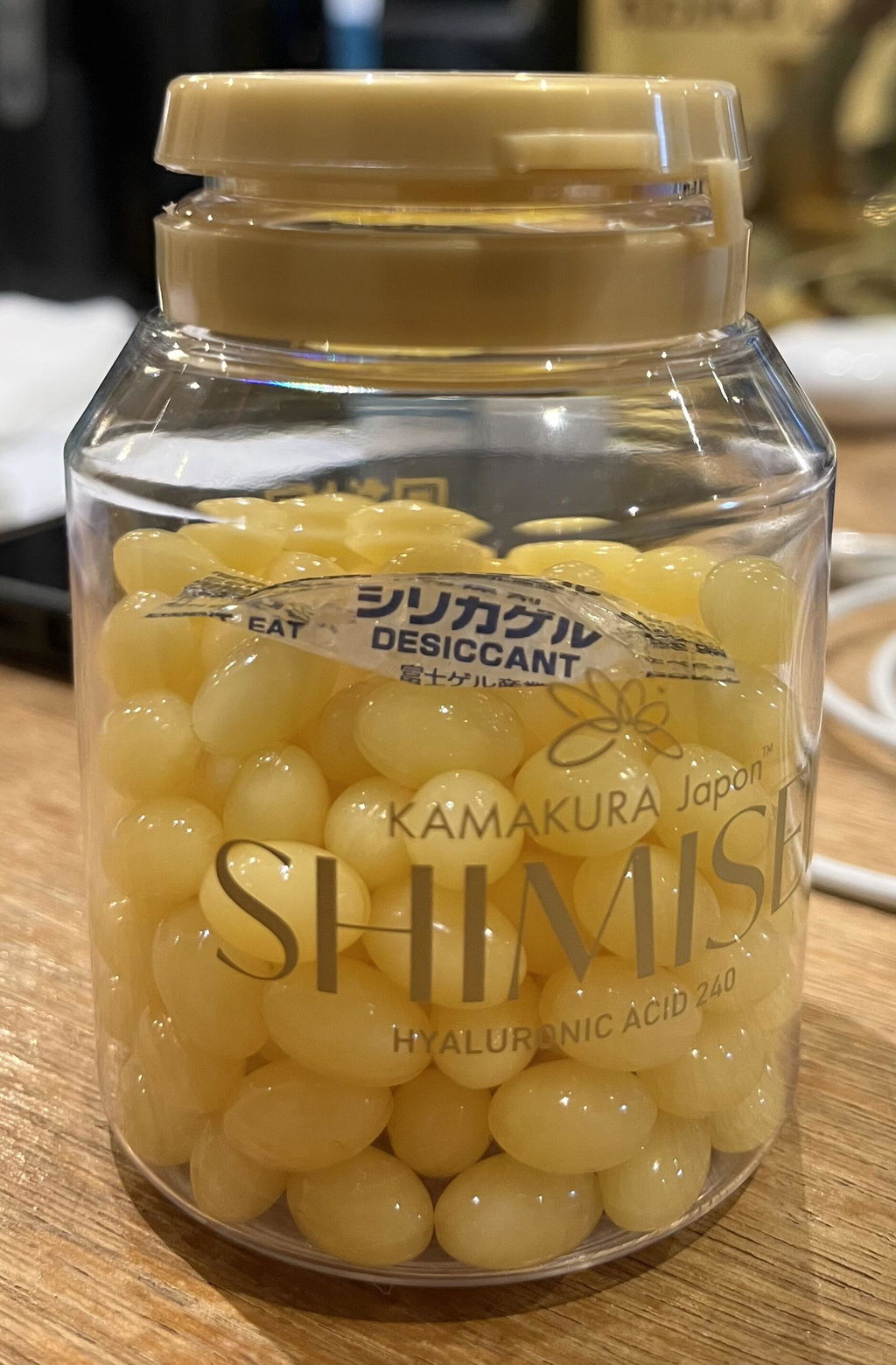
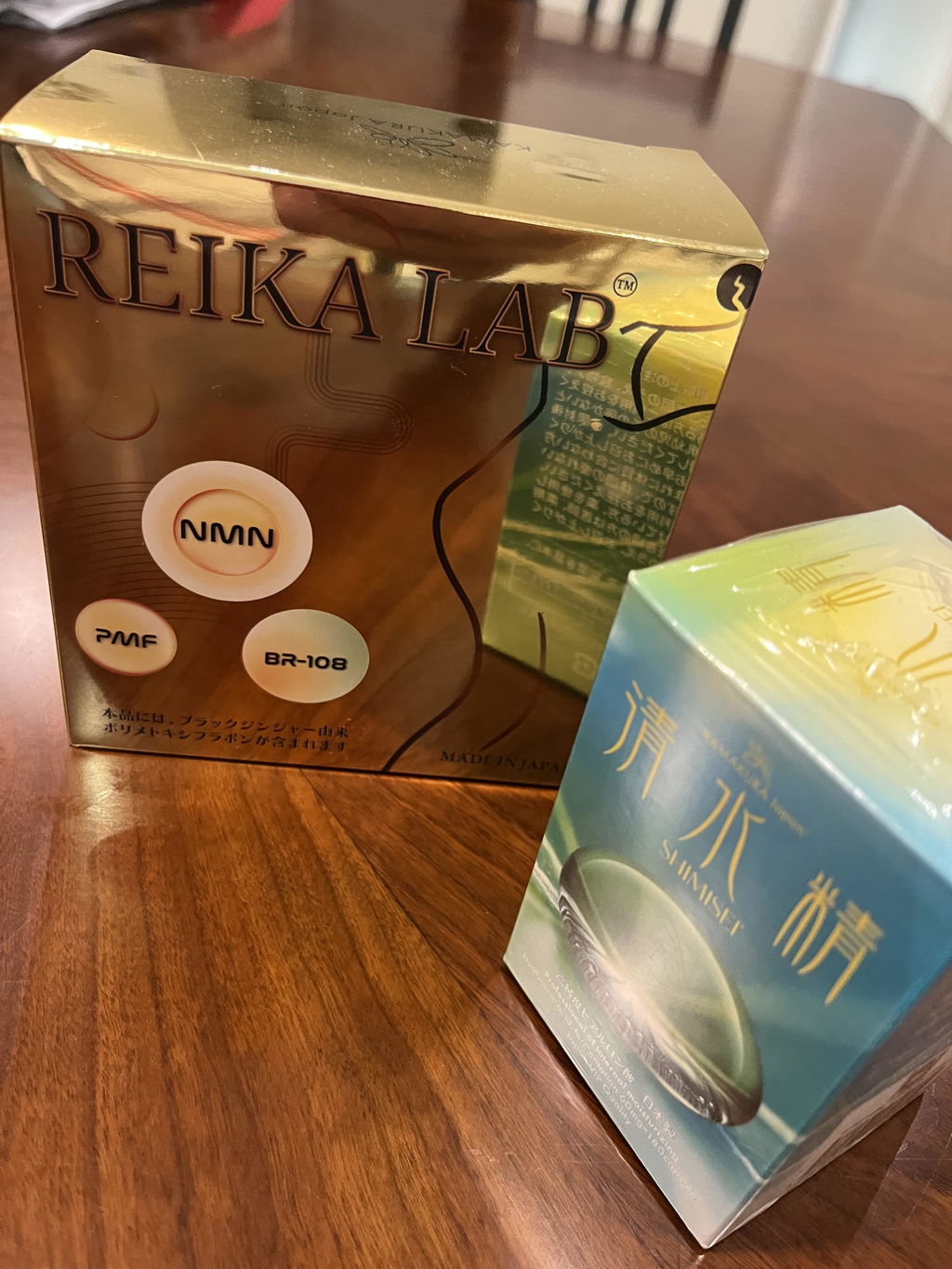
The easiest way to narrow down face moisturisers is to start with skin type, then think about texture, finish, and richness. Lightweight gels suit people who want quick absorption and a fresh feel, lotions sit in the middle, and creams bring more cushioning and comfort. Ingredient clues matter as well: humectants like hyaluronic acid draw in water, ceramides help reinforce the barrier, and soothing actives can reduce irritation. For all skin types, the best choice usually balances hydration with how the skin behaves during the day. For those interested in hydration support beyond topical care, a premium Japanese moisturizer may also be worth exploring as part of a broader wellness routine.
Skin concern
Better texture
What to look for
Dryness
Cream
Ceramides, richer emollients
Oily skin
Gel or light lotion
Non-greasy, pore-friendly hydration
Combination skin
Medium lotion
Balanced, adaptable formula
Dehydrated skin
Gel-cream
Humectants, water-binding support
Best Face Moisturisers for Dry Skin
Dry skin usually needs a richer moisturizer that does more than sit on the surface. Creamier formulas tend to reduce tightness, soften flaking, and give the barrier the support it needs to feel comfortable again. Look for lasting hydration and restorative ingredients such as ceramides, squalane, or nourishing oils. Heavier moisturisers often work especially well at night, when the skin can benefit from a slower, more intensive recovery period.
Best Face Moisturisers for Oily Skin
Oily skin still needs moisturiser; skipping it can sometimes make skin feel even more unsettled. The smarter move is choosing a lightweight, non-greasy formula that hydrates without adding shine. Gels usually feel cool and fast-absorbing, while lotions can offer a little more comfort if the skin feels stripped after cleansing. For oily skin, the goal is pore-friendly hydration with a clean finish, not a heavy layer that sits on top.
Moisturisers for Combination Skin Types
Combination skin types usually need balance rather than maximum richness. A medium-weight lotion or adaptable gel-cream often works best because it can hydrate drier areas without overloading the T-zone. Some people apply a little extra product to the cheeks and use less around the nose and forehead. That approach keeps the routine simple while avoiding excess shine. If you prefer a more minimalist supplement-style approach to hydration support, a premium Japanese moisturizer with hyaluronic acid may be of interest.
Face Moisturisers for Dehydrated and Ageing Skin
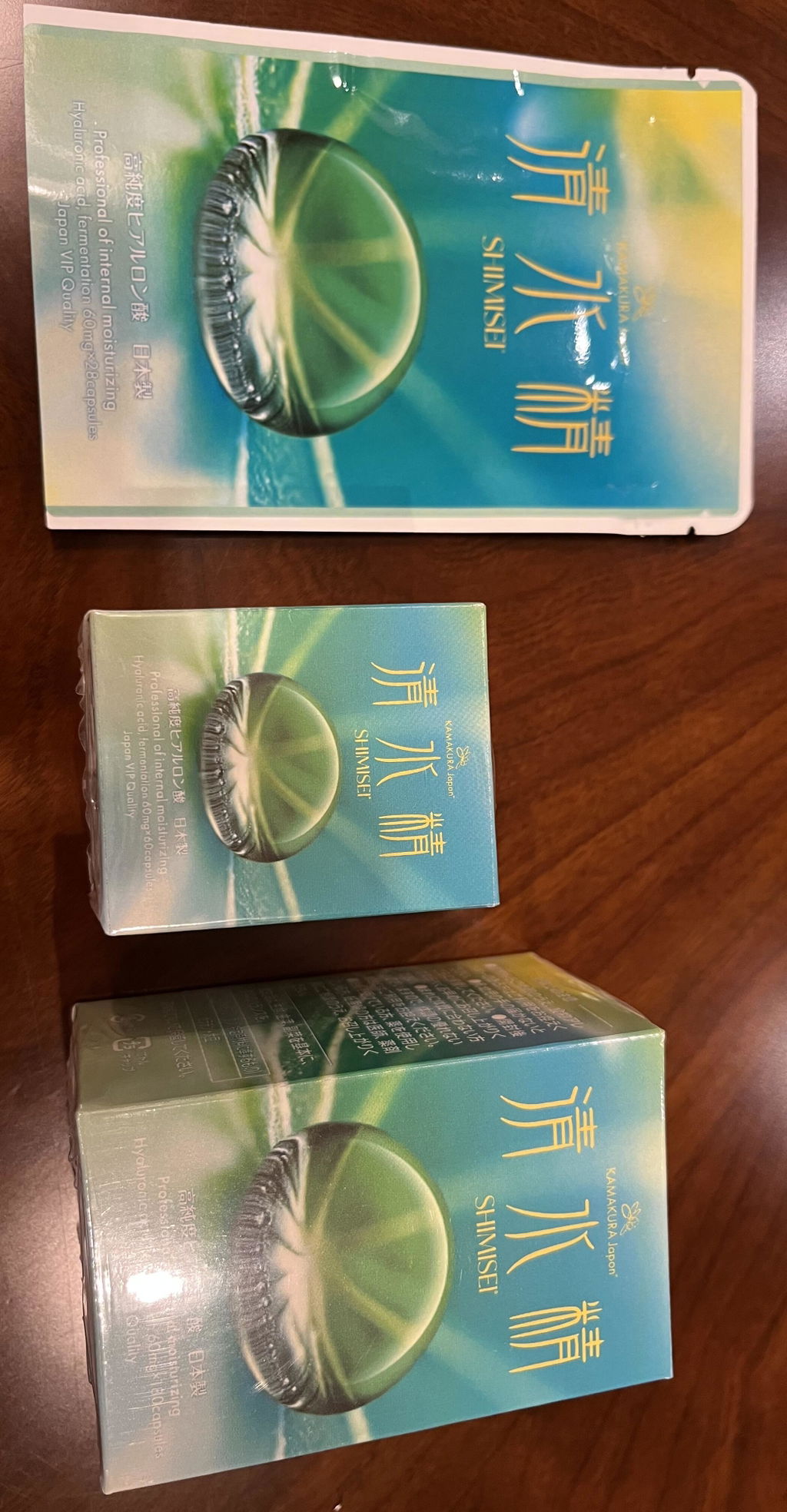
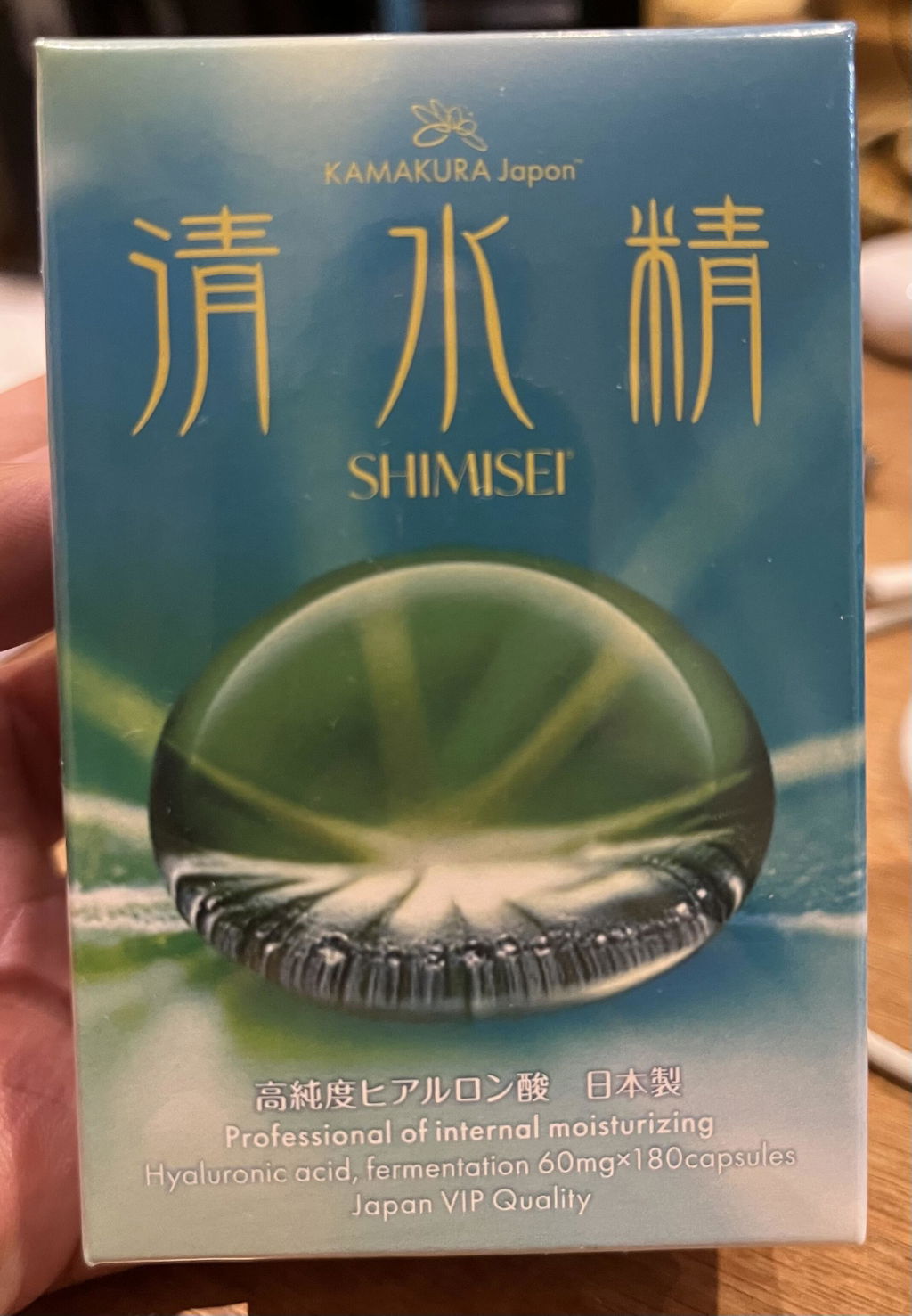
Dehydrated skin lacks water, while dry skin lacks oil, so the best moisturizer depends on which problem is actually showing up. Water-binding ingredients such as hyaluronic acid can help plump the skin and restore comfort quickly. For ageing skin, hydration-first formulas can also make texture look smoother and help fine lines and wrinkles appear less pronounced. Supportive actives are useful, but the real priority is often a formula that hydrates deeply without feeling greasy. A focused option such as high purity hyaluronic acid capsules may suit people looking to complement their routine from the inside out.
Day vs Night Moisturisers
Day creams usually lean lighter because they sit under makeup, sunscreen, and daily movement. Some include SPF for added protection, which can simplify a morning routine. Night creams are often richer and more treatment-focused, giving skin a heavier dose of comfort while you sleep. A single all-purpose moisturiser can still work if it feels good morning and evening, especially for people who prefer a simple routine.
How to Use Moisturiser for Best Results
Moisturiser works best after cleansing and after any serum has had a moment to settle. A pea-sized to almond-sized amount is usually enough for the face, with a little extra for very dry areas. Spread it evenly rather than rubbing it in too aggressively. In the morning, follow with SPF. At night, layer it as the final step, and patch test anything new if the skin is reactive or easily irritated.
Common Mistakes When Buying Face Moisturisers
One of the biggest mistakes is choosing a product because it is trending instead of matching it to skin needs. Another is going too heavy for oily skin or too light for dry skin, which can leave the face uncomfortable either way. Fragrance, strong actives, and the wrong texture can all trigger discomfort, especially for sensitive users. A practical choice usually beats a flashy one.
Top Types of Face Moisturisers to Consider
The main face moisturiser categories are gels, lotions, creams, balms, and SPF moisturisers. Gels tend to suit oily skin and hot weather, lotions work well for many all skin types, creams are a strong fit for dry skin, and balms are often best for very dry or stressed skin. SPF moisturisers add convenience for daytime use. The right formula depends on comfort, finish, and how much support the skin needs.
FAQs About Face Moisturisers
Moisturiser helps keep water in the skin and supports the barrier, which is why every skin type can benefit from one. Most people use it once or twice daily, depending on routine and climate. Oily skin should still moisturise, just with a lighter formula. Dry, oily, combination, and dehydrated skin each need slightly different textures. Day and night moisturisers can differ, but a single balanced formula is fine if it suits the skin well.
Choosing the Right Moisturiser for Real-Life Skin Needs
The best face moisturisers are the ones that fit the skin’s actual condition, not just its label. Dry skin usually wants richer creams, oily skin tends to prefer lighter gels or lotions, and dehydrated or ageing skin often benefits from water-binding ingredients and barrier support. Once texture, richness, and finish match the skin, moisturising becomes less of a guess and more of a reliable part of everyday care.
The Ordinary Hyaluronic Acid 2% + B5 30mL is an updated second-generation hyaluronic acid serum built for instant plumping hydration, smoother skin, and barrier support. It suits shoppers who want a lightweight daily hydrator that layers easily, feels comfortable on the skin, and fits both morning and evening routines without adding heaviness or stickiness.
Product Snapshot and Buying Intent
This serum is designed for hydration seekers who want a simple, effective step with visible comfort benefits. The formula suits dry, dehydrated, and sensitive skin types looking for surface hydration plus a little extra support for the moisture barrier. If a lighter finish matters more than a richer-textured hyaluronic serum, the updated version is the smarter pick, especially if you also explore a premium oral hyaluronic acid supplement for broader hydration support.
What Makes This a Second-Generation Formula?
Updated from the original formulation
The original formulation was known for a denser, richer feel, while this updated version moves to a more streamlined texture. That matters if layering is part of the routine, because the serum now sinks in faster and sits more cleanly under moisturisers, SPF, and makeup. The result is better comfort without losing hydration performance.
Why the formula was improved
The aim behind the update was straightforward: enhance hydration while giving the skin barrier better support. By balancing moisture retention with a lighter finish, the serum feels easier to use every day and less likely to interfere with other products. For many shoppers, that makes it more practical and more versatile.
Key Benefits of Second-Generation Hyaluronic Acid
Multi-depth hydration
This formula uses a hyaluronic acid complex with different molecular weights to deliver multi-depth hydration benefits. Smaller molecules help reach lower surface layers, while larger ones support surface hydration for a softer feel. That combination can create instant plumping hydration for skin that feels tight, dull, or rough.
Barrier support and smoother skin
Ceramides help reinforce moisture retention, while vitamin B5 supports key skin barrier components. Together, they help the skin feel calmer, smoother, and better cushioned through the day. For users who notice dehydration alongside sensitivity, that barrier support can make daily skincare feel more effective and less fussy.
Key Ingredients and What They Do
Hyaluronic acid complex
The hydration backbone is the second-generation hyaluronic acid blend, designed to hydrate and smooth without heaviness. Rather than leaving a slick film, it helps the skin look fresher and more supple. That visible boost is especially useful before makeup or on days when the complexion needs a quick reset.
Ceramides and pro-vitamin B5
Ceramides help lock in moisture and support the moisture barrier, which is useful for skin that loses hydration quickly. Pro-vitamin B5, also known as vitamin B5, adds moisture-retaining comfort and helps the skin feel less stripped. Together, they support daily resilience and help maintain a healthier-looking finish.
Texture, Finish, and Formula Highlights
This is a lightweight, non-tacky serum that absorbs quickly and layers neatly under creams and oils. It is vegan and fragrance free, which will appeal to shoppers who want a simpler formula profile. The practical advantage is obvious: easy application, fast wear-in, and no waiting around before the next step, much like choosing an oral hyaluronic acid supplement for a streamlined routine.
How to Use It in a Skincare Routine
When and where to apply
Apply after cleansing and before heavier products such as moisturiser or face oil. Morning and evening use gives the most consistent hydration support. In a routine, it works as the hydration step that bridges cleanser and sealant, keeping the skin comfortable without weighing it down.
Application tips
A few drops on damp skin can improve comfort and help the serum spread more evenly. Follow with a moisturiser to seal in the hydration benefits. If skin is reactive, a patch test is sensible before regular use, especially when combining it with stronger actives.
Who It’s Best For
Ideal skin types and concerns
Dry, dehydrated, and sensitive skin are the main fits here, especially for anyone looking for smoother skin and steadier barrier support. It also suits people who want a simple daily hydrator rather than a heavy treatment serum. The lightweight finish makes it easy to keep using consistently.
When to choose another formula
If a richer-textured hyaluronic serum feels more comforting, the original formulation may still be the better match. Texture preference matters, as does how a product layers in the rest of the routine. Some users prefer a fuller feel; others want the updated version’s cleaner finish.
Results, Testing, and What to Expect
Timeline for visible hydration
Hydration can feel improved quickly, with the skin often feeling more comfortable after the first uses. In a 4-week testing window, sustained use may show better suppleness and a more even look. Like most hydration products, the best results come from regular daily use rather than occasional application.
What improvements to look for
Early signs usually include softer skin, less tightness, and a more plump-looking surface. Over time, smoother texture and better comfort are the main benefits to watch for. The change is subtle but noticeable, especially on dehydrated skin that drinks up moisture.
Frequently Asked Questions
Can I use it with active ingredients?
Yes, it layers well with many common actives, which makes it easy to fit into existing routines. If skin is reactive, introduce combinations slowly so the barrier has time to adjust. The lightweight format helps it play nicely with most routines.
Is it suitable for sensitive skin?
It is generally suitable for sensitive skin, and the fragrance-free, lightweight profile is a plus. Patch testing is still wise, especially if the skin reacts easily. The formula is everyday-friendly rather than harsh or overly complex.
How is it different from the original version?
The updated formula adds ceramides for barrier support, keeps the hydration system more advanced, and feels lighter on skin. That combination makes it easier to layer and more comfortable for daily use. The original formulation hydrates well, but this version is built for a cleaner finish.
Buying Considerations Before You Add to Cart
Before you buy, compare your texture preference, skin needs, and how the serum will fit into your routine. The value comes from reliable hydration, barrier support, and daily usability, not just ingredient count. Check the size, price, and return policy, then choose with confidence if the lightweight updated formula matches your skin goals.
PCOS can make weight loss feel slower than expected, especially when appetite shifts, energy drops, and the scale seems tied to hormonal imbalances rather than habits alone. Many people also notice that insulin resistance drives cravings and makes stored fat harder to shift. Add irregular periods, fertility concerns, and longer-term risks such as type 2 diabetes or heart disease, and the picture gets frustrating quickly. The good news is that practical diet, exercise, and lifestyle changes can still improve symptoms, support a healthy weight, and create measurable progress without extreme rules.
PCOS and Weight Loss: What Makes It Hard?
Polycystic ovary syndrome affects the body in ways that can complicate pcos weight loss, even when eating feels fairly consistent. Hormonal imbalances may influence hunger, satiety, and energy, so a person can feel tired, hungry, and less motivated at the same time. Insulin resistance is another major factor, because higher insulin can encourage fat storage, stronger cravings, and slower fat loss. That does not mean change is impossible. It means the goal should be steady improvement, not perfection, with a plan that supports both weight loss and overall health markers.
Focus on Foods That Help Manage PCOS
Build Balanced Meals Around Protein, Fiber, and Healthy Fats
A balanced plate tends to work better than a strict plan because it steadies blood sugar and makes meals more satisfying. Choosing a solid protein source, such as eggs, Greek yoghurt, tofu, fish, chicken, or legumes, can improve fullness and support muscle maintenance. Pair that with fibre-rich vegetables, oats, berries, beans, or whole grains, then add healthy fats like avocado, olive oil, nuts, or seeds. A simple meal might be salmon with roasted vegetables and brown rice, or a tofu bowl with salad and quinoa. Flexible combinations are easier to maintain long term.
Cut Back on Processed Foods and Added Sugar
Highly processed foods are often easy to grab but harder on insulin sensitivity than whole-food choices. Sugary drinks, refined snacks, and ultra-processed lunch items can push blood sugar up quickly, then leave hunger bouncing back soon after. That pattern can feed weight gain without feeling especially satisfying. Realistic swaps matter more than restriction: sparkling water instead of soft drink, yoghurt and fruit instead of a sweet snack, or a homemade sandwich instead of a packaged pastry. The aim is consistency during busy weeks, not an all-or-nothing food list.
Exercise Strategies That Support Weight Loss
Combine Cardio and Strength Training
Exercise can help manage pcos even before major weight loss happens, because movement improves insulin sensitivity and supports energy. Strength training is especially useful since it builds muscle, which can help metabolism and blood sugar control over time. Cardio still matters too; a brisk walk, cycling, swimming, or dancing can improve cardiovascular health and lift daily stamina. For beginners, two short strength sessions and several walks each week may be enough to start. The best routine is the one that can be repeated without dread.
Make Movement Sustainable
The most effective exercise plan is usually the one that fits real life, not the one with the most intensity. Some people prefer gym sessions, while others do better with home workouts, swimming, or simply walking after dinner. Consistency beats burnout. Even ten-minute bouts of movement during lunch breaks, before work, or after meals can add up across the day. A sensible weekly target might start with 150 minutes of moderate activity, then grow gradually if energy and recovery allow. Small, repeatable steps are easier to keep than ambitious plans that collapse after two weeks.
Lifestyle Changes That Improve PCOS Symptoms
Prioritize Sleep, Stress, and Cortisol Levels
Poor sleep and chronic stress can raise cortisol levels, which often makes cravings, fatigue, and emotional eating worse. That can create a cycle where the body feels more drained, and food choices become less deliberate. Better sleep supports appetite control, steadier energy, and more reliable decisions during the day. Basic habits can help: a regular bedtime, a screen cut-off before bed, a few slow breaths, or a short wind-down routine. These changes are simple, but they are often the ones that make healthy eating and exercise easier to sustain.
Support Long-Term Health Beyond the Scale
Weight loss is only one part of managing polycystic ovary syndrome. Many people see benefits in fertility, cycle regularity, and lower risk of type 2 diabetes when daily habits improve. There is also a connection between PCOS, heart disease, and other long-term health concerns, which is why progress should not be measured by the scale alone. A steadier approach helps body image as well as health. Lifestyle changes are more useful when they are framed as support for the body rather than punishment for its size. That mindset tends to last longer than short-term dieting.
Common PCOS Weight Loss Mistakes to Avoid
Skip Extreme Diets and All-or-Nothing Rules
Very restrictive plans often backfire because they are hard to maintain and can trigger rebound eating. Skipping meals or cutting out entire food groups may feel productive at first, but it usually increases hunger later and makes consistency harder. The same goes for chasing rapid pcos weight loss through strict rules that are impossible to follow in ordinary life. A steadier approach, with enough food and room for flexibility, is usually more sustainable. The goal is a pattern that supports behaviour change over months, not a quick fix for one week.
Know When to Get Medical Support
If weight gain feels stubborn despite decent habits, the answer may be more personalised care rather than more willpower. Worsening irregular periods, stronger symptoms, or rising blood sugar are good reasons to speak with a clinician. Some people may benefit from medication, while others need dietitian support to adjust food intake, training, or calorie needs. Medical guidance can also help rule out other factors that affect progress. Getting help early can prevent years of frustration and make manage pcos strategies much more targeted. A regular check-in with tools like a BMI scale for women can also make it easier to track changes over time.
How to Manage PCOS: Your Next Steps
The most useful starting points are usually simple: improve food quality, add regular movement, protect sleep, and lower day-to-day stress where possible. It helps to choose one or two changes first, then build from there instead of trying to overhaul everything at once. That approach makes pcos weight loss more realistic and gives the body time to respond. Small shifts can improve symptoms, support a healthy weight, and strengthen long-term health at the same time. For many people, steady habits are the most reliable way to manage pcos and keep results going.
Stubborn belly fat often shows up quietly: a tighter waistband, a rising waist circumference, or a scale that barely moves despite better habits. That can be frustrating, especially because the fat around the middle is not all the same. Some sits just under the skin, while deeper fat surrounds the organs in the abdominal cavity and carries more health risk. The good news is that steady dietary changes, regular physical activity, strength training, better sleep, and a few daily habit tweaks can meaningfully reduce body fat over time.
What Belly Fat Is and Why It Matters
Belly fat usually refers to both subcutaneous fat, which sits under the skin, and visceral fat, which lies deeper around the organs. Visceral fat matters more because it is linked with a higher risk of heart disease, blood sugar problems, and other long-term health concerns. That does not mean visible belly softness is harmless, but it does mean the location of fat matters. Losing overall body weight usually helps reduce belly fat, while spot reduction from crunches or special exercises does not work. A growing waist size can be a useful signal to pay attention to before bigger health issues develop.
How to Measure Progress Beyond the Scale
The scale can be useful, but it misses body composition changes and day-to-day fluid shifts. A simple waist measurement at home gives clearer feedback for belly fat, especially if it is taken in the same place each time. Waist-to-hip ratio can add context by showing how fat is distributed across the body, while body mass index can help flag risk but does not tell the whole story. Progress is best judged by trends over weeks, not one heavy day after a salty meal or a hard training session. Pairing measurements with how clothes fit gives a more practical view of change.
Improve Your Diet to Lose Belly Fat
Dietary changes work best when they create a small calorie deficit you can actually maintain. That usually means building meals around protein, vegetables, fiber-rich foods, and whole grains instead of chasing severe restriction. Filling plates this way helps reduce hunger and supports steadier blood sugar. By contrast, sugary drinks, excess alcohol, and refined carbs can make it easy to overshoot calories without feeling satisfied. Simple swaps go a long way: water or sparkling water instead of soft drinks, Greek yoghurt instead of dessert-style snacks, and brown rice or oats instead of highly processed grains. A healthy diet should feel repeatable, not punishing.
Choose Foods That Support Weight Loss
Lean meats, eggs, Greek yoghurt, beans, lentils, oats, fruit, and vegetables all help with fullness and body weight control. A Mediterranean diet pattern can also be useful because it naturally emphasises olive oil, fish, legumes, nuts, and plenty of plant foods. It is flexible enough for busy households and can be affordable when built around staples rather than premium products. The most sustainable plan is one that cuts excess calories without creating a rebound binge later.
Use Strength Training to Build Muscle and Burn Fat
Strength training helps build muscle mass, and more muscle supports higher resting energy use over time. That matters because the goal is not only to lose weight, but to improve the body’s ability to keep it off. Bodyweight moves like squats and push-ups, free weights, resistance bands, and machine-based resistance training can all work. Beginners do not need perfect programming; two to three sessions a week is a sensible target, with basic movements for legs, chest, back, and core. Stronger muscles can also make aerobic exercise feel easier, which helps long-term consistency. The best choice is usually the one you can perform safely and repeat week after week.
Add Aerobic Exercise for Extra Fat Loss
Aerobic exercise such as brisk walking, cycling, swimming, or jogging helps increase calorie burn without needing extreme effort. Regular physical activity is linked with a smaller waist circumference and better overall health markers. The pace matters less than sticking with it, because consistency beats occasional heroic sessions. A few extra daily walks, a commute by bike, or weekend laps at the local pool can all contribute. Pairing cardio with strength work gives a better balance: one supports calorie burn, the other helps preserve muscle while losing fat.
Make Sleep and Stress Work in Your Favor
Short sleep can affect appetite, energy, and the ability to stick with healthy choices. After a poor night, cravings often rise and self-control feels harder, which makes weight loss less efficient. Most people do better aiming for enough sleep on most nights rather than trying to “catch up” after a rough week. Chronic stress can push eating toward convenience foods and larger portions, especially when blood sugar swings and fatigue are already in the mix. Practical habits help: keep a regular bedtime, reduce late caffeine, dim screens before bed, and build a short wind-down routine. Recovery is not a luxury; it supports fat loss.
Reduce Daily Habits That Add Hidden Calories
Many people underestimate how quickly sweet drinks, flavoured coffees, alcohol, and mindless snacking add up. These extras can quietly erase the calorie deficit needed to reduce body fat. Long stretches of sitting also slow overall progress, even if workouts are going well. A few walking breaks, stairs instead of lifts, or a quick stretch every hour can make daily physical activity more consistent. The goal is not perfection. It is to reduce the handful of habits that keep body weight stubbornly high without offering much satisfaction in return.
Common Mistakes When Trying to Lose Belly Fat
Crunches and sit-ups can strengthen the abdominal area, but they do not melt belly fat directly. Fad diets, detoxes, and most supplements promise speed, yet rarely deliver lasting change once normal eating resumes. Losing weight too quickly can also backfire by increasing muscle loss and making adherence harder. A more useful approach is steady, repeatable progress that preserves strength while body fat comes down. If a plan feels extreme, it usually is. Long-term consistency beats short bursts of effort every time.
FAQs About Losing Belly Fat
How long it takes depends on starting body weight, calorie intake, activity levels, sleep, and stress. Some people notice changes in waist size within a few weeks, while others need longer before the tape measure moves. Belly fat can be reduced even when the scale changes slowly, especially if muscle is being built at the same time. Diet, exercise, and sleep all matter, but diet usually drives the biggest change because it controls calorie intake. Medical advice is worth considering if weight gain is persistent, waist size is rising quickly, or there are concerns such as high blood sugar, high blood pressure, or a family history of heart disease.
A Practical Way Forward
The simplest way to reduce body fat is to combine a manageable eating plan with strength training, regular aerobic exercise, decent sleep, and fewer hidden calories. For those looking for an added daily wellness routine, a weight balance support supplement may fit alongside these habits, though no single habit does everything. Together they create the conditions for steady weight loss and a smaller waist. Focus on what can be repeated on ordinary weeks, not just perfect ones. That is usually where the real change happens.
Starting a weight loss journey usually looks less like a dramatic reset and more like a series of small decisions repeated over time. The good news is that managing your weight does not require perfection, extreme rules, or a crash plan that is impossible to maintain. A steady approach built around food choices, regular physical activity, sleep, and simple routines can help you start losing weight in a way that fits real life in Australia, not an idealised schedule that never survives a busy week.
Understanding Managing Your Weight
Managing your weight is best understood as a long-term lifestyle process, not a quick fix. The aim is to build habits that support a healthy weight, whether the immediate goal is losing weight, burning fat, or maintaining progress once results begin. Sustainable changes matter more than rapid results because they are easier to repeat, easier to recover from, and far more likely to last. That is what makes a weight loss journey feel manageable instead of exhausting.
Why Managing Your Weight Matters
Reaching and maintaining a healthy weight can bring practical health benefits without turning daily life into a strict routine. Many people notice better energy, improved mood, and easier movement once their habits become more balanced. Over time, managing your weight can also reduce the risk of common conditions such as heart disease and type 2 diabetes. The biggest win is often not just the number on the scale, but how much better ordinary days feel.
Set a Realistic Starting Point
A strong start begins with an honest look at current habits around food, activity, sleep, and stress. Instead of trying to overhaul everything at once, choose one or two priority changes that feel meaningful and achievable. Small goals build confidence, and confidence improves consistency. A simple self-check can help: What are the biggest patterns right now, what feels hardest to change, and what one action would make the next week easier?
Check your current routine
Look for eating patterns, long stretches of sitting, and common triggers for overeating, such as skipping meals or late-night snacking. This is not about guilt or perfectionism. It is about noticing what already happens so the next step makes sense. Awareness often reveals that progress has less to do with willpower and more to do with structure, timing, and repeated habits.
Choose one meaningful goal
A useful goal is specific and behaviour-based, not just focused on the scale. For example, adding a 20-minute walk after dinner or reducing sugary drinks during the workweek gives you a clear action to practise. Goals like these are easier to measure and easier to adapt. When the target is something you can actually do, the weight loss journey feels more practical and less vague.
Build a Balanced Diet That Supports Weight Loss
A balanced diet helps manage calorie intake without leaving you feeling deprived all the time. The idea is not to eat less of everything, but to choose meals that provide enough protein, fibre, and nutrients to keep you full and steady. Good meal structure can also support blood sugar levels and reduce cravings later in the day. That makes healthy eating more repeatable, which is what matters most for losing weight.
Prioritize filling meals
Start meals with protein, vegetables, and high-fibre carbs such as wholegrain bread, brown rice, oats, or legumes. These foods help keep you full for longer, which can reduce unnecessary snacking between meals. A simple formula works well: protein plus veg plus fibre-rich carbs, with a little healthy fat for satisfaction. Think grilled chicken with salad and sweet potato, eggs on wholegrain toast with tomatoes, or lentil soup with a side of vegetables.
Make smarter drink choices
Liquid calories are easy to overlook, especially from sugary drinks, fancy coffees, and alcohol. These can quietly push up daily calorie intake without delivering much fullness. Swapping to water, sparkling water, diet soft drinks, or unsweetened tea can create a noticeable difference over time. In a normal daily routine, simple drink swaps are often easier to maintain than complicated food rules.
Plan for realistic portions
Portion size matters, but so does satisfaction. Very large portions can make it easy to eat more than intended, while more realistic portions can still support results if the food is filling and enjoyable. Slowing down at meals helps too, because it gives your body time to register fullness. A practical move is to serve one plate, eat without rushing, and pause before automatically going back for seconds.
Increase Regular Exercise Without Burning Out
Regular physical activity supports fat loss and long-term maintenance, but it does not need to start with intense workouts. Even small amounts of movement can help you build momentum, especially if exercise has been inconsistent for a while. A balanced routine usually includes both cardio and strength-based movement. The goal is not to punish the body; it is to create a routine that supports it.
Start with easy movement
Walking, stretching, or simply moving more during the day can be enough to begin. At the start, consistency matters more than intensity. A brisk walk around the block after lunch or a short morning stretch routine may sound modest, but repeated daily physical activity adds up. It also helps if you choose movement you actually enjoy, because enjoyment makes the habit easier to repeat.
Add bodyweight exercise and strength work
Bodyweight exercise can be a simple way to support strength while managing your weight. Squats, lunges, wall push-ups, and modified push-ups are all useful starting points. Strength work helps maintain muscle while weight loss is happening, which is important for movement, metabolism, and long-term health. Keep the focus on safe form, manageable reps, and gradual progression rather than trying to do too much too soon.
Make exercise fit your schedule
The easiest plan is usually the one that fits into an existing daily routine. A 10-minute walk before work, a short strength session after school drop-off, or a stretch break between tasks can all count. Short sessions still matter, especially when time is tight. Regular physical activity does not need to be perfect to be effective; it just needs to be repeatable.
Manage Hunger, Cravings, and Emotional Eating
Hunger, habit, and emotion often overlap, which is why eating can feel complicated even with a solid plan. Stress, boredom, fatigue, and convenience are common triggers that can override good intentions. The aim is not to eliminate cravings entirely, but to recognise them sooner and respond with a bit more control. That approach supports managing your weight without turning food into a constant battle.
Spot the difference between hunger and habit
Before eating automatically, pause for a brief check-in. Ask whether you are physically hungry, whether you have eaten enough today, or whether something else is driving the urge. If the answer is stress, boredom, or tiredness, food may not be the real fix. That awareness gives you more options, whether the next step is a snack, a glass of water, a short walk, or a better rest break.
Use snacks strategically
Good snacks can keep you full and reduce the chance of overeating later. Choose combinations built around protein, fibre, and whole foods, such as Greek yoghurt and berries, apple slices with peanut butter, tuna on crackers, or hummus with veggie sticks. These are practical options for workdays, travel, or afternoons when dinner is still a while away. A planned snack is often better than trying to resist hunger until it becomes overwhelming.
Create a Daily Routine That Supports Results
Routines make healthy choices easier because they reduce decision fatigue. When meal timing, sleep, stress management, and activity all have some structure, there is less room for random choices that can slow progress. A good daily routine does not need to be rigid. It only needs enough consistency to make the next healthy decision feel simpler than the old one.
Build simple habit anchors
Habit anchors connect a new action to something that already happens. A morning walk after coffee, a packed lunch the night before, or a five-minute stretch after brushing your teeth are all examples. These tiny anchors create consistency because they remove the need to decide from scratch every time. Over weeks, those small choices become part of the day rather than extra effort.
Support sleep and recovery
Poor sleep can make appetite harder to manage and energy harder to trust. It may also leave you more likely to crave quick food and skip planned exercise. A regular bedtime, less screen time before sleep, and a calmer evening routine can help. Recovery matters too, because rested bodies usually handle regular exercise better and recover more comfortably from it.
Track Progress Without Obsessing Over the Scale
Weight fluctuates for many reasons, including hydration, food volume, sleep, and hormones, so daily changes do not always tell the full story. Progress is broader than one number. Energy, fitness, clothing fit, hunger control, and how steady your healthy lifestyle feels can all matter. Tracking helps with awareness and accountability, but it should support the journey rather than dominate it.
Choose a few useful metrics
Pick simple measures that match your goal. Some people use scale weight once or twice a week, while others prefer body measurements, progress photos, workout consistency, or daily habit checklists. If the goal is to start losing weight, combining one outcome measure with one or two habit measures often works best. That way, the focus stays on what you can control as well as what results follow.
Review progress weekly
A weekly check-in is usually more useful than constant weighing. It gives enough time to see patterns without making every day feel like a test. During the review, look at what worked, what slipped, and what might need a small adjustment. Simple weekly reflection keeps the process sustainable and helps you respond early instead of waiting until frustration builds.
Stay Motivated on Your Weight Loss Journey
Motivation naturally changes, so it helps to rely on systems rather than mood alone. Some weeks feel easy; others feel flat, busy, or frustrating. That does not mean the plan has failed. It usually means the plan needs a few supportive routines and a more flexible mindset so the weight loss journey can continue through normal ups and downs.
Focus on progress, not perfection
Setbacks are part of the process, not proof that nothing is working. One off day, a weekend away, or a plateau does not erase your progress. A restart mindset is far more useful than all-or-nothing thinking. The next meal, the next walk, or the next grocery shop is always a chance to get back on track.
Build accountability
Accountability can come from a friend, family member, coach, app, or simply a calendar on the fridge. Different people respond to different forms of support, so choose what feels natural rather than forced. Some like regular check-ins, while others prefer sharing goals only once a week. The most effective version is the one that keeps your goals visible without becoming another source of pressure.
When to Get Extra Support
Sometimes managing your weight needs more than self-directed effort, and that is completely normal. Health conditions, medications, sleep problems, or concerns around eating patterns may make progress harder to judge on your own. If symptoms appear or your efforts stall for a long time, personalised support can help you choose the safest and most effective next step. Getting help early can save time and reduce frustration.
Talk to a healthcare professional
A healthcare professional can be useful if you have a medical condition, take regular medication, or are unsure whether your plan suits your needs. Tailored advice can improve safety and make the approach more realistic. In Australia, that might mean talking with a GP, an accredited practising dietitian, or another qualified professional who can help adjust food, exercise, and behaviour strategies to your situation.
Consider structured programs
Structured programs can add clarity and accountability when motivation is uneven. A guided plan may help with meal planning, tracking, exercise goals, and regular check-ins, which can make the process easier to follow. For some people, that external structure is exactly what helps them stay consistent. The best option is usually the one that fits your schedule, preferences, and budget.
Final Steps to Keep Managing Your Weight
Lasting results come from sustainable habits, not a perfect week. Start small, choose changes you can repeat, and keep building from there. A balanced diet, regular exercise, better sleep, and practical tracking can all support a healthy weight over time. If progress slows or life gets messy, return to the basics and keep going. The next smart choice still counts.
Việc mua viên uống collagen axit hyaluronic thường bắt đầu bằng một câu hỏi thực tế: công thức nào thực sự phù hợp với mục tiêu về da, thói quen hàng ngày và ngân sách? Thoạt nhìn, các trang sản phẩm có thể trông giống nhau, nhưng chi tiết mới là điều quan trọng. Lượng thành phần, số lượng viên, vitamin bổ sung và sự phù hợp với người lớn đều ảnh hưởng đến giá trị. Đối với bất kỳ ai đang cố gắng cải thiện độ đàn hồi của da, lựa chọn thông minh nhất hiếm khi là lời quảng cáo to nhất trên nhãn trước. Đó là công thức kết hợp các dưỡng chất hỗ trợ da phù hợp ở dạng dễ sử dụng một cách nhất quán.
Collagen và Axit Hyaluronic Giúp Cải Thiện Độ Đàn Hồi Của Da Như Thế Nào
Collagen giúp hỗ trợ cấu trúc da, đó là lý do tại sao nó thường được liên kết với sự săn chắc và đàn hồi. Axit hyaluronic hoạt động khác: nó nổi tiếng về khả năng hydrat hóa da, giúp da giữ ẩm để da có thể trông mịn màng hơn và bớt khô hơn. Theo thời gian, lão hóa, giảm sản xuất collagen và giảm hydrat hóa đều có thể ảnh hưởng đến độ đàn hồi. Đó là lý do tại sao nhiều chất bổ sung làm đẹp kết hợp collagen thủy phân với viên nang axit hyaluronic uống và các dưỡng chất cho da được nhắm mục tiêu. Ý tưởng rất đơn giản: hỗ trợ sản xuất collagen, giúp tăng cường hydrat hóa da và củng cố hàng rào bảo vệ da từ nhiều góc độ.
Những Điều Cần Tìm Ở Một Loại Thực Phẩm Bổ Sung Tăng Cường Độ Đàn Hồi Cho Da
Các trang sản phẩm của nhà bán lẻ thường giúp dễ dàng so sánh các yếu tố tương tự: nguồn collagen, lượng axit hyaluronic và các dưỡng chất bổ sung đi kèm. Collagen thủy phân phổ biến vì nó được phân hủy thành các peptide nhỏ hơn và thường được định vị là dễ sử dụng hơn trong các công thức hàng ngày. Natri hyaluronate là một chi tiết nhãn thường xuyên khác, và nó là dạng muối mà người mua hàng thường thấy trong các chất bổ sung làm đẹp. Các thành phần hỗ trợ cũng quan trọng. Vitamin C giúp hỗ trợ sản xuất collagen, trong khi vitamin C và E, kẽm và vitamin B5 thường được thêm vào để hỗ trợ da rộng hơn. Liều lượng, số lượng viên và việc sản phẩm chỉ dành cho người lớn có thể thay đổi cả sự tiện lợi và giá trị.
Các Loại Công Thức Collagen Cộng Axit Hyaluronic Tốt Nhất
Định dạng có thể tạo ra sự khác biệt lớn hơn nhiều so với những gì người mua hàng mong đợi. Viên nén phù hợp với những người muốn có một thói quen hàng ngày đơn giản, trong khi viên nang có thể hấp dẫn những người thích thứ gì đó nhỏ hơn hoặc dễ nuốt hơn. Viên nén bao phim có thể thoải mái hơn cho một số người dùng và có thể ít gây cảm giác bột hơn so với viên nén thông thường. Các công thức dạng tăng cường thường kết hợp nhiều dưỡng chất cho da được nhắm mục tiêu thay vì chỉ tập trung vào một thành phần duy nhất. Điều đó có thể hữu ích cho những người mua so sánh các hỗn hợp làm đẹp toàn diện, đặc biệt là khi họ muốn một sản phẩm duy nhất hỗ trợ hydrat hóa và độ đàn hồi của da.
Collagen Biển so với Các Nguồn Collagen Khác
Collagen biển có nguồn gốc từ cá và phổ biến trong các chất bổ sung làm đẹp vì nó phù hợp với thói quen chăm sóc da và thường được tiếp thị để sử dụng hàng ngày dễ dàng. Một số người mua hàng thích nó vì hồ sơ nguồn gốc của nó, trong khi những người khác chọn collagen không biển vì lý do cá nhân, chế độ ăn uống hoặc dị ứng. So sánh thực tế thường quy về sở thích, khả năng dung nạp và chi tiết nhãn hơn là một người chiến thắng chung. Những người tránh cá, hoặc những người cần kiểm tra cẩn thận các cảnh báo thành phần biển, có thể nghiêng về các nguồn khác. Những người tìm kiếm collagen biển có thể thích vị trí làm đẹp của nó, đặc biệt là khi nó được kết hợp với viên nang axit hyaluronic cao cấp và các vitamin hỗ trợ.
Lợi ích Ngoài Độ Đàn Hồi: Hydrat hóa và Rạng rỡ
Cải thiện hydrat hóa có thể thay đổi cách làn da trông hàng ngày. Làn da đủ nước thường trông mịn màng hơn, tươi tắn hơn và ít xỉn màu hơn, đó là lý do tại sao các công thức làm đẹp tập trung vào hỗ trợ độ ẩm bên trong cũng như độ săn chắc. Khi hỗ trợ collagen được kết hợp với axit hyaluronic, kết quả thường được định vị là giúp hỗ trợ làn da khỏe mạnh, rạng rỡ thay vì hứa hẹn một sự thay đổi đột ngột đáng kể. Kết quả thực tế phụ thuộc vào sự nhất quán, chế độ ăn uống, giấc ngủ, tiếp xúc với ánh nắng mặt trời và thói quen chăm sóc da nói chung. Một chất bổ sung có thể phù hợp gọn gàng vào một thói quen rộng hơn, nhưng nó hoạt động tốt nhất như một phần của một phương pháp tiếp cận ổn định hơn là một giải pháp khắc phục nhanh.
Cách Đọc Bảng Thành Phần Bổ Sung
Bảng thông tin là nơi so sánh trở nên hữu ích. Bắt đầu với lượng thành phần hoạt chất trên mỗi viên nén hoặc viên nang, sau đó kiểm tra xem liều hàng ngày có yêu cầu một đơn vị hay nhiều đơn vị hay không. Kích thước khẩu phần rất quan trọng vì hai sản phẩm có thể trông giống nhau trên kệ nhưng lại mang lại lượng dùng hàng ngày rất khác nhau. Tìm kiếm các chi tiết như collagen thủy phân 625 mg, natri hyaluronate 33,33 mg, vitamin C (axit ascorbic), vitamin E (d-alpha-tocopheryl acid succinate), hoặc kẽm amino acid chelate. Một số công thức cũng liệt kê dạng kẽm cụ thể hơn, ví dụ kẽm (từ kẽm amino acid chelate). Đọc kỹ các ghi chú về chất gây dị ứng, cảnh báo và liệu sản phẩm có chứa cá, đậu nành, sulfit hoặc phenylalanine trước khi mua.
Sử Dụng Hàng Ngày và Thời Gian Khuyến Nghị
Hầu hết các trang chi tiết sản phẩm của các loại thực phẩm bổ sung này đều cung cấp hướng dẫn liều lượng cho người lớn ở dạng đơn giản hàng ngày. Một số công thức được thiết kế để sử dụng ngắn hạn, thường lên đến ba tháng, trong khi những loại khác có thể được dùng liên tục nếu nhãn cho phép. Viên nén thường được uống với nước và đôi khi với bữa ăn, tùy thuộc vào hướng dẫn của thương hiệu. Thói quen đó giúp dễ dàng duy trì việc sử dụng hàng ngày. Cách an toàn nhất luôn là tuân thủ chính xác nhãn và nói chuyện với chuyên gia y tế nếu hướng dẫn có vẻ không rõ ràng hoặc nếu đã có một thói quen bổ sung khác.
Ai Nên Sử Dụng Các Sản Phẩm Bổ Sung Này và Ai Nên Tránh
Những sản phẩm này thường chỉ dành cho người lớn, đó là lý do tại sao hướng dẫn về độ tuổi không bao giờ được bỏ qua trên danh sách. Cảnh báo mang thai và cho con bú cũng phổ biến, vì vậy phụ nữ mang thai hoặc đang cho con bú thường được khuyên tránh chúng trừ khi được chuyên gia y tế cho phép. Kiểm tra dị ứng cũng quan trọng không kém. Các công thức từ biển có thể chứa cá, và một số sản phẩm có cảnh báo về đậu nành, sulfit hoặc phenylalanine. Đọc kỹ những lưu ý đó sẽ tránh được những bất ngờ sau này. Người mua phù hợp nhất thường là người muốn các chất dinh dưỡng được nhắm mục tiêu cho da, có thể dung nạp hồ sơ thành phần và thoải mái tuân thủ chính xác cách sử dụng được khuyến nghị.
Cách Chọn Sản Phẩm Có Giá Trị Tốt Nhất
Giá trị được đánh giá tốt nhất bằng cách nhìn xa hơn giá tiêu đề. Một gói có giá thấp hơn có thể có giá trị kém nếu liều lượng hàng ngày cao và số lượng viên hết nhanh. So sánh giá mỗi khẩu phần, số lượng viên và mỗi gói dùng được bao nhiêu ngày theo liều khuyến nghị. Các gói lớn hơn đôi khi mang lại giá trị tốt hơn, nhưng chỉ khi công thức phù hợp với mục tiêu và khả năng dung nạp của người dùng. Nó cũng giúp kiểm tra xem sản phẩm có bao gồm các thành phần bổ sung như vitamin C, vitamin E, kẽm hoặc axit hyaluronic tăng cường hay không. Các chương trình khuyến mãi đáng để xem xét, nhưng chất lượng thành phần và sự tiện lợi vẫn nên là yếu tố dẫn đầu quyết định.
Tổng quan về Swisse Beauty Collagen Booster
Swisse Beauty Collagen Booster được định vị là một công thức tập trung vào làm đẹp dành cho người lớn muốn hỗ trợ hydrat hóa da và vẻ ngoài rạng rỡ hơn. Nó kết hợp collagen, axit hyaluronic, kẽm và vitamin C và E, làm cho nó trở thành một hỗn hợp chất dinh dưỡng da cổ điển được nhắm mục tiêu. Định dạng viên nén phù hợp với những người mua sắm thích một thói quen hàng ngày đơn giản, và gói 80 viên dễ dàng so sánh với các danh sách khác. Giống như nhiều chất bổ sung làm đẹp, nó được thiết kế để sử dụng ngắn hạn hơn là sử dụng không giới hạn, vì vậy nhãn hiệu rất quan trọng. Đối với những người mua đang tìm kiếm một lựa chọn collagen làm đẹp swisse, sức hấp dẫn là công thức đơn giản và sự sẵn có quen thuộc của nhà bán lẻ.
Tổng quan về viên nang Marine Collagen + Hyaluronic Acid
Một sản phẩm viên nang collagen biển + axit hyaluronic thường thu hút những người mua sắm muốn định dạng viên nang thay vì viên nén bao phim hoặc viên nén thông thường. Viên nang có thể dễ nuốt hơn, và một số người dùng thích điều đó hơn viên nén bao phim lớn hơn. Những sản phẩm này thường kết hợp collagen biển với các vitamin và khoáng chất vi lượng bổ sung để hỗ trợ sản xuất collagen và hydrat hóa da. Điểm thu hút thực tế là sự kết hợp giữa sự tiện lợi và danh sách thành phần định hướng làm đẹp. Việc sử dụng hàng ngày nhất quán quan trọng hơn việc sử dụng không thường xuyên, vì vậy lựa chọn tốt nhất thường là lựa chọn phù hợp với thói quen mà không gây khó khăn. Đối với nhiều người mua, đó là yếu tố quyết định giá trị lâu dài.
Cách So Sánh Các Danh Sách Sản Phẩm Tương Tự
Hai danh sách có thể trông giống nhau cho đến khi bảng thành phần được kiểm tra kỹ lưỡng. Bắt đầu với lượng hoạt chất, bởi vì đó là nơi thường có sự khác biệt thực sự. Sau đó so sánh kích thước khẩu phần, tổng số khẩu phần và chi phí hàng ngày. Một chai lớn hơn không nhất thiết tốt hơn nếu liều lượng hàng ngày nặng hơn hoặc công thức ít phù hợp với mục tiêu của bạn. Các chất dinh dưỡng bổ sung cũng có thể thay đổi danh sách rút gọn: vitamin C, vitamin E, kẽm và axit hyaluronic đều có thể xuất hiện dưới các dạng khác nhau và ở các nồng độ khác nhau. Cuối cùng, so sánh các cảnh báo dị ứng và sở thích định dạng cạnh nhau. Điều đó giúp bạn dễ dàng lựa chọn hơn mà không cần dựa vào lời lẽ trên nhãn trước.
Nội dung cần so sánh
Tại sao nó quan trọng
Ví dụ kiểm tra
Thành phần hoạt tính
Cho thấy sức mạnh công thức
Collagen thủy phân, natri hyaluronate, vitamin C
Kích thước khẩu phần
Ảnh hưởng đến lượng dùng hàng ngày
1 viên so với 2 viên mỗi ngày
Kích thước gói
Ảnh hưởng đến thời gian sử dụng và giá trị
80 viên so với 90 viên nang
Cảnh báo
Giúp sàng lọc sự phù hợp
Chỉ dành cho người lớn, cá, đậu nành, sulfit, phenylalanine
Kết Quả Dự Kiến Và Thời Điểm
Các thói quen bổ sung cho da thường cần sử dụng đều đặn trước khi nhận thấy bất kỳ thay đổi đáng kể nào. Một số người tập trung đầu tiên vào cảm giác của da, đặc biệt là độ ẩm và độ mềm mại, trước khi tìm kiếm sự khác biệt rõ rệt về độ đàn hồi hoặc độ sáng. Đó là một cách thực tế hơn để đánh giá tiến độ so với việc mong đợi một sự thay đổi ngay lập tức. Kết quả khác nhau tùy thuộc vào chế độ ăn uống, thói quen tổng thể, tiếp xúc với ánh nắng mặt trời và phản ứng cá nhân. Nếu phần còn lại của bức tranh chăm sóc da và lối sống không nhất quán, hiệu quả của chất bổ sung có thể khó nhận thấy hơn. Kỳ vọng có chừng mực hữu ích hơn những lời hứa hão huyền, đặc biệt là đối với những người mua sắm so sánh sản phẩm trực tuyến.
Thực Phẩm Bổ Sung Có Thể Thay Thế Chế Độ Ăn Uống Cân Bằng Không?
Thực phẩm bổ sung nên hỗ trợ một chế độ ăn uống cân bằng, không thay thế nó. Sức khỏe làn da vẫn phụ thuộc vào dinh dưỡng thường xuyên, lượng protein, hydrat hóa và thói quen sinh hoạt nói chung. Một sản phẩm collagen hoặc axit hyaluronic có thể phù hợp với thói quen đó, nhưng nó hoạt động tốt nhất như một sự bổ sung, không phải là một sự thay thế. Điều đó đặc biệt đúng đối với những người mua muốn hỗ trợ làn da lâu dài hơn là một giải pháp tạm thời. Hãy coi nó như một lớp tiện ích để hỗ trợ có mục tiêu, trong khi thực phẩm và thói quen hàng ngày thực hiện phần lớn công việc.
Các Câu Hỏi Thường Gặp Về Cải Thiện Độ Đàn Hồi Của Da
Collagen và axit hyaluronic có thể hỗ trợ hydrat hóa và độ săn chắc của da, đó là lý do tại sao chúng rất phổ biến trong các công thức làm đẹp. Nhiều người trưởng thành sử dụng chúng trong vài tuần trước khi quyết định xem sản phẩm có phù hợp với họ hay không, vì các thử nghiệm ngắn hiếm khi nói lên toàn bộ câu chuyện. Một cách tiếp cận phổ biến là tuân thủ nhãn trong một đến ba tháng và đánh giá lại. Cảnh báo chỉ dành cho người lớn và giới hạn liều lượng rất quan trọng vì chúng giúp giữ cho sản phẩm phù hợp và an toàn. Nếu công thức không được thiết kế cho nhóm tuổi hoặc tình trạng sức khỏe của bạn, tốt hơn nên chọn một danh sách khác hơn là cố gắng điều chỉnh.
Các Câu Hỏi Thường Gặp Về Thành Phần Và An Toàn
Axit hyaluronic và natri hyaluronate có liên quan chặt chẽ, nhưng natri hyaluronate là dạng muối thường được sử dụng trong các chất bổ sung. Vitamin C và kẽm phổ biến trong các công thức làm đẹp vì chúng giúp hỗ trợ sản xuất collagen và bổ sung cho các hỗn hợp tập trung vào da. Người mua vẫn nên kiểm tra kỹ các bảng cảnh báo, đặc biệt đối với cá, đậu nành, sulfit hoặc phenylalanine. Những chi tiết đó quan trọng hơn một tuyên bố tiếp thị trên mặt chai. Nhận thức đơn giản về thành phần thường dẫn đến lựa chọn sản phẩm tốt hơn và ít bất ngờ không mong muốn hơn.
Các Câu Hỏi Thường Gặp Về Mua Hàng Trực Tuyến
Trước khi thanh toán, hãy so sánh các thành phần hoạt tính, kích thước khẩu phần và tổng số khẩu phần thay vì chỉ xếp hạng sao. Tình trạng còn hàng, kích thước gói và thời gian giao hàng cũng có thể ảnh hưởng đến việc một danh sách có phải là lựa chọn mua đúng đắn vào thời điểm hiện tại hay không. Chi tiết sản phẩm có thể thay đổi, vì vậy nhãn và bảng thành phần luôn phải được kiểm tra trên trang hiện tại. Điều đó đặc biệt hữu ích khi so sánh các chất bổ sung làm đẹp tương tự từ các nhà bán lẻ khác nhau. Một lần kiểm tra nhanh có thể ngăn chặn việc mua nhầm định dạng hoặc cường độ.
Mẹo Chuyên Gia Để Có Thói Quen Hỗ Trợ Da Tốt Hơn
Sự kiên trì đánh bại việc sử dụng không thường xuyên, đặc biệt với các chất bổ sung hydrat hóa da. Kết hợp thói quen với việc uống nước đều đặn và chế độ ăn giàu dinh dưỡng để công thức có cơ hội phù hợp hơn với thói quen hàng ngày. Nó cũng giúp theo dõi những thay đổi trong vài tuần thay vì hàng ngày. Những cải thiện nhỏ về sự thoải mái hoặc cảm giác da có thể dễ nhận thấy hơn những thay đổi rõ rệt đáng kể. Một thói quen đơn giản, ổn định thường bền vững hơn là làm phức tạp hóa kế hoạch.
Những Điều Cần Kiểm Tra Trước Khi Mua
Trước khi mua, hãy xem xét liều lượng, cảnh báo, thông tin dị ứng và thời gian khuyến nghị. Sau đó so sánh hồ sơ thành phần với mục tiêu chính, cho dù đó là hydrat hóa, độ sáng hay giúp cải thiện độ đàn hồi của da. Xác nhận rằng sản phẩm chỉ dành cho người lớn nếu áp dụng, và kiểm tra các nhạy cảm cá nhân xung quanh cá, đậu nành, sulfit hoặc phenylalanine. Cũng nên kiểm tra xem định dạng viên nén, viên nang hoặc viên nén bao phim có phù hợp với thói quen hàng ngày hay không. Một danh sách kiểm tra ngắn thường làm giảm sự băn khoăn sau khi thanh toán.
Lời Khuyên Cuối Cùng Để Cải Thiện Độ Đàn Hồi Của Da
Các công thức làm đẹp mạnh nhất thường kết hợp collagen, axit hyaluronic và các chất dinh dưỡng hỗ trợ như vitamin C, vitamin E và kẽm. Lựa chọn tốt nhất phụ thuộc vào mục tiêu, độ an toàn, sự tiện lợi và giá trị hơn là chỉ giá cả. So sánh lượng hoạt chất, kích thước gói và cảnh báo sẽ cho một bức tranh rõ ràng hơn nhãn trước. Tuân thủ các hướng dẫn trên trang sản phẩm và tìm lời khuyên từ chuyên gia y tế nếu có bất kỳ điều gì không rõ ràng hoặc không phù hợp.
This guide breaks down the correct skincare routine order across 9 steps, from cleanser through to sunscreen, explaining why applying products thinnest to thickest helps each one absorb and perform properly. It covers morning versus night routines, with morning focused on protection (hydration and SPF) and evening focused on repair (actives and richer moisturiser). Each step — cleanser, toner, serum, eye cream, spot treatment, moisturiser, retinol, and sunscreen — is explained with practical advice on when to use it and how to match it to your skin type. The article also addresses common mistakes like over-layering actives and applying thick creams too early, and closes with a simple framework for building a consistent routine that's easy to maintain.
This guide covers the core principle of applying skincare from thinnest to thickest texture so each product absorbs properly without being blocked by heavier layers. It walks through a step-by-step routine — cleanse, toner (optional), serum, eye cream, moisturiser, and sunscreen — explaining the purpose of each step for morning and evening use. Key tips include placing vitamin C serums in the morning, reserving exfoliating acids like glycolic acid for night, and always finishing with sunscreen as the final morning layer. The article also addresses common mistakes like stacking too many actives, applying thick creams too early, and over-cleansing, and closes with simple sample routines for different skin types.
I have noticed such a big difference in my skin since making this part of my daily routine for the past 2 months, my skin feels and looks so much more hydrated and brighter. Love it so much and would definitely recommend it to my friends.
Mình dùng 3 ngày liền mỗi buổi sáng và thấy hiệu quả ngay. Da mặt căng hơn và mềm, dễ chịu với thời tiết lạnh khô của Úc. Mình ngồi máy lạnh cả ngày, về nhà cũng mát lạnh làm da khô môi nứt. Sau 3 ngày, mỗi ngày 2v sáng - 2v tối có cải thiện rõ. Tiếp tục xem sao.
Great product! I am very impressed by the quality of the product! Have been back to the product after the 1st trial. The fine wrinkles have visibly reduced with skin becoming glowing and more hydrated. This product is particularly helpful during winter in Australia! Highly recommend!
I have very dry skin with dermatitis due to skin dryness. I took this product mainly to help with dry skin in winter but unexpectedly my dermatitis is also resolved, which is a release as it’s a very irritating condition. The effect is quite quick, in a few weeks.
The tablet doesn’t have any taste so easy to take, even with empty stomach it didn’t hurt like some other supplements I used before.
I’ve noticed very clear results after using this product—my skin feels more hydrated and smoother, and my body feels healthier in a short time. The capsules are easy to take and cause no discomfort or side effects. It’s definitely worth maintaining long-term if you want to care for your skin and joints from within.